
Thrive Talks: Mental and Emotional Wellbeing for Autistic Children and Young People
About Thrive Talks
Thrive Talks is a series of community learning events exploring a range of autism-related topics. Designed to bring together autistic people, families, professionals, educators, social care practitioners, and healthcare staff, these sessions provide opportunities to share knowledge, encourage discussion, and strengthen local networks.
Autistic voice is at the heart of everything we do. Every Thrive Talk includes autistic representation, ensuring lived experience informs learning, discussion, and shared understanding.
Who should attend?
This event is suitable for:
- Autistic people
- Parents, carers, and loved ones
- Education professionals
- Health and social care practitioners
- Community organisations
- Anyone with an interest in supporting the wellbeing of autistic children and young people
Cost and registration:
- £35 each if you are a professional or from an organisation
- £20 each if you are an autistic person or the family member of an autistic person
Event Overview
Mental and emotional wellbeing is influenced by a range of factors, including our environment, relationships, communication experiences, and sense of identity. For autistic children and young people, wellbeing can be shaped by unique strengths as well as challenges related to sensory processing, communication differences, anxiety, transitions, education, and social connection.
This Thrive Talk will explore how families, professionals, and communities can support positive wellbeing through understanding, acceptance, and neuro-affirming practice.
Combining professional expertise with lived experience, the session will provide practical insights, encourage reflection, and highlight approaches that support autistic children and young people to thrive.
Attendees will hear from two speakers who bring complementary perspectives on supporting wellbeing, resilience, and belonging.
There will be an opportunity to network at this event and representatives from our Community Advice Service and local service Autism Neurodiversity North Scotland and Elevate, Autism Training and Consultancy will have stands at the event with information, they will be available to offer advice, support and guidance.
Refreshments will also be provided.
Speakers
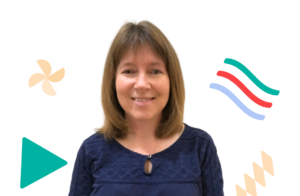
Jackie Cassels, Senior Community Advisor, Fife One Stop Shop
Drawing on evidence and learning from the Fife One Stop Shop Family Flourish Service, Jackie will explore the factors that support and challenge the mental and emotional wellbeing of autistic children, young people, and their families.
The session will consider the importance of recognising individual strengths, understanding communication preferences, and responding to sensory needs to support overall wellbeing. Jackie will also explore how experiences such as anxiety, changes and transitions, school environments, social relationships, and identity can impact both the young person and wider family life.
Practical strategies and examples will be shared to help create inclusive, supportive, and neuro-affirming environments where autistic children and young people can flourish.
Learning Outcomes
Participants will:
- Highlight the importance of listening to autistic voices, including children and young people’s own preferences, strengths, and experiences.
- Consider the impact on wider family wellbeing, including parents, carers, siblings, and extended family members.
- Identify practical strategies families and professionals can use to support emotional, physical, social, and sensory wellbeing.
- Promote a strengths-based, inclusive approach that focuses on understanding, acceptance, reasonable adjustments, and supportive environments.
- Signpost sources of trusted support for autistic young people and their families, including local services, national offerings, and trusted information.

Dr Aimee Fletcher, Participation Coordinator
Dr Aimee Fletcher is an openly autistic woman who was diagnosed in childhood. In this reflective and thought-provoking session, Aimee will share her experiences of navigating the highs and lows of mental wellbeing as an autistic young person and reflect on what helped her through challenging periods.
Drawing on her lived experience, Aimee will share some of the tools and questions that have helped her and invite you to take time to reflect on what brings you and the people in your life joy and how to bring more joy into our lives, particularly during challenging times.
Learning Outcomes
Participants will:
- Share lived experience of navigating the highs and lows of mental wellbeing as an autistic young person, through the lens of someone reflecting having got through those times.
- Have the opportunity to ask reflective questions that enable you to reflect on what you need, as well as the autistic people in your life, to find joy.